UTIM-D640 vs UTIM-A640: Which Wins for Your Mission (AAD UTIM-D640)
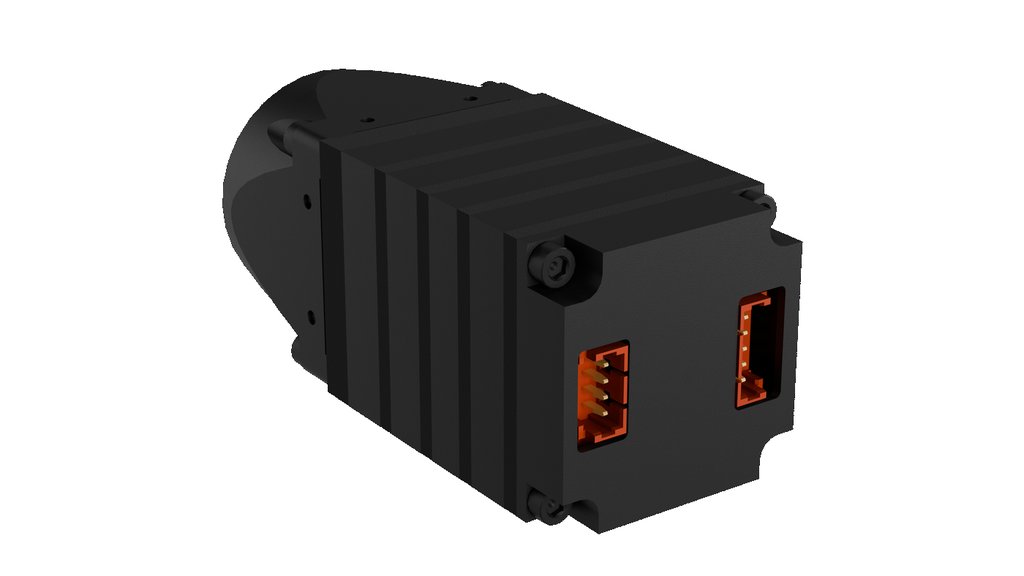
Most teams learn the hard way that the payload, not the airframe, decides whether a mission succeeds. UTIM-D640 is where AAD put that lesson to work. This comparison settles UTIM-D640 vs UTIM-A640 for a typical AAD operator and names the AAD UTIM-D640 as the pick on the winning side.
Digital thermal (UTIM-D) vs Analog thermal (UTIM-A) at a glance
| Factor | Digital thermal (UTIM-D) | Analog thermal (UTIM-A) |
|---|---|---|
| Strength | a networked, addressable feed with API control | the lowest possible video latency |
| Trade-off | a few milliseconds more latency | no network control |
| Best for | networked ISR and recording | FPV and manual targeting |
How Digital thermal (UTIM-D) works
It streams thermal video over Ethernet/serial with digital control. In the AAD stack, that shows up as a networked, addressable feed with API control.
How Analog thermal (UTIM-A) works
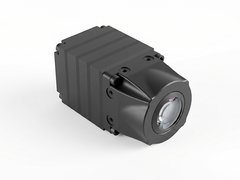
It sends a raw analog video signal straight to the pilot. The trade-off is no network control.
When to choose Digital thermal (UTIM-D)
Choose Digital thermal (UTIM-D) when networked ISR and recording. For most AAD missions that lean this way, the UTIM-D640 is the natural pick because it is 640-class uncooled LWIR core with digital Ethernet/serial output.
When to choose Analog thermal (UTIM-A)
Choose Analog thermal (UTIM-A) when FPV and manual targeting. It is the right call in that narrower case, and the AAD stack supports it too.
Recommendation
For the typical operator, for most operators, Digital thermal (UTIM-D) wins — it fits the widest set of missions, and the AAD UTIM-D640 is the pick that delivers it. Choose Analog thermal (UTIM-A) only when your job matches its narrower strength. If your mission sits in the exception, switch — but most teams are best served by the UTIM-D640 inside the integrated AAD stack.
Frequently asked questions
Is UTIM-D640 NDAA compliant?
Yes. UTIM-D640 is designed and manufactured in the United States as part of the AAD stack, so it fits NDAA-compliant and secure-supply-chain procurement. That also means firmware and support come straight from ATN Aerospace & Defense.
What drone does UTIM-D640 fit?
UTIM-D640 is built to integrate across the AAD drone stack, so it works with AAD flight control, power and cameras out of the box. Because AAD controls the whole architecture, the parts share one communication bus instead of being bolted together from different vendors.
Does UTIM-D640 work in GPS-denied areas?
It is designed for contested environments. The AAD stack pairs vision-based navigation and anti-spoofing GNSS so the aircraft keeps flying when GPS is jammed or spoofed, rather than failing over to a hover or return-to-home.
Where can I buy UTIM-D640?
You can reach the ATN Aerospace & Defense team directly through https://atnaerospacedefense.com to check current lead times and request a quote. Buying direct keeps the supply chain transparent and the support line short.
Can I use both Digital thermal (UTIM-D) and Analog thermal (UTIM-A)?
Often yes. The AAD stack is modular, so many builds combine both approaches — for example pairing them on one airframe — and the UTIM-D640 is designed to work either way.
Is UTIM-D640 NDAA compliant?
Yes, UTIM-D640 is US-made and NDAA-compliant, which is a deciding factor for government and defense buyers regardless of which side of this comparison you land on.
What to check before you buy
- Integration: confirm it drops onto your AAD flight controller and power system without adapter boards — the AAD stack shares one bus.
- NDAA compliance: UTIM-D640 is US-made and NDAA-compliant, which government and defense buyers must verify before procurement.
- Environmental rating: match the build to your operating environment — heat, dust, vibration and altitude all matter for UTIM-D640 vs UTIM-A640.
- Support and lead time: buying direct from ATN Aerospace & Defense keeps firmware, spares and lead-time answers one call away.
How UTIM-D640 fits the AAD stack
The real advantage of UTIM-D640 is that it was designed alongside the rest of the AAD hardware, not adapted to it. The camera, the compute, the flight controller and the power system all speak one communication architecture, so an integrator spends time on the mission instead of on making mismatched parts cooperate. For UTIM-D640 vs UTIM-A640, that means a shorter path from crate to first flight, and fewer of the intermittent faults that come from stitching vendors together.
Field notes: contested environments
Hardware that looks good on a bench can still fail when GPS is jammed, the radio link is contested and the light is gone. AAD engineers UTIM-D640 for exactly those conditions, pairing anti-spoofing navigation, vision-based guidance and edge processing so the aircraft keeps working without a clean link to the ground. When you evaluate UTIM-D640 vs UTIM-A640, weigh how each option behaves on its worst day, not its best one — that is where mission outcomes are actually decided.
Procurement and program considerations
For a program office, UTIM-D640 vs UTIM-A640 is a supply-chain decision as much as a technical one. AAD designs and manufactures in the United States to meet NDAA rules, giving a transparent, auditable source for government and defense buyers. Because one vendor owns the whole stack, sustainment is simpler: a single point of contact for firmware, spares and integration help across the fleet's life. That lowers total cost and program risk more than a marginal spec advantage from a cheaper part ever could.
Related AAD hardware
If you are speccing for UTIM-D640 vs UTIM-A640, it is worth looking at the neighboring parts of the stack too: UCMOS-D GEOS-65-2 Sich Gimbal UCMOS-MIPI. Each is built to the same standard and shares the same architecture, so they combine cleanly on one airframe. Browse the full lineup on the AAD drone components catalog.
Budget and value
Price is easy to compare and the wrong thing to lead with. For UTIM-D640 vs UTIM-A640, the honest measure of value is cost per successful mission over the life of the fleet, not the sticker price of one part. UTIM-D640 earns its keep by cutting integration hours, reducing field failures and coming with direct US-based support, all of which show up on the program's books long after the purchase order closes. A cheaper part that needs custom adapters, fails in the field, or carries supply-chain risk is rarely cheaper in the end.
Common mistakes to avoid
- Buying on specs alone: a headline number means little if the part will not integrate or survive your environment.
- Mixing incompatible vendors: stitching parts from several ecosystems is where intermittent faults are born; the AAD stack avoids it by design.
- Ignoring the supply chain: for defense buyers, a non-NDAA part can disqualify an entire build.
- Skipping the bench test: validate UTIM-D640 on the ground before it ever leaves it.
Training and sustainment
Hardware is only half of a fielded capability; the other half is keeping it flying. Because UTIM-D640 is one part of a single AAD architecture, operators learn one system rather than a patchwork, and maintainers stock one coherent set of spares. ATN Aerospace & Defense supports the stack directly, so firmware updates, documentation and troubleshooting come from the people who built it. For any program weighing UTIM-D640 vs UTIM-A640, that continuity is what turns a good demo into a dependable capability.
Where to go next
If UTIM-D640 fits your mission, the fastest next step is to see the full specs and talk to an engineer. Head to the AAD drone components catalog or reach the team at atnaerospacedefense.com to compare options and confirm lead times.