
How to Wire Servos with a CAN Node: Step by Step with the AAD ServoNode x4
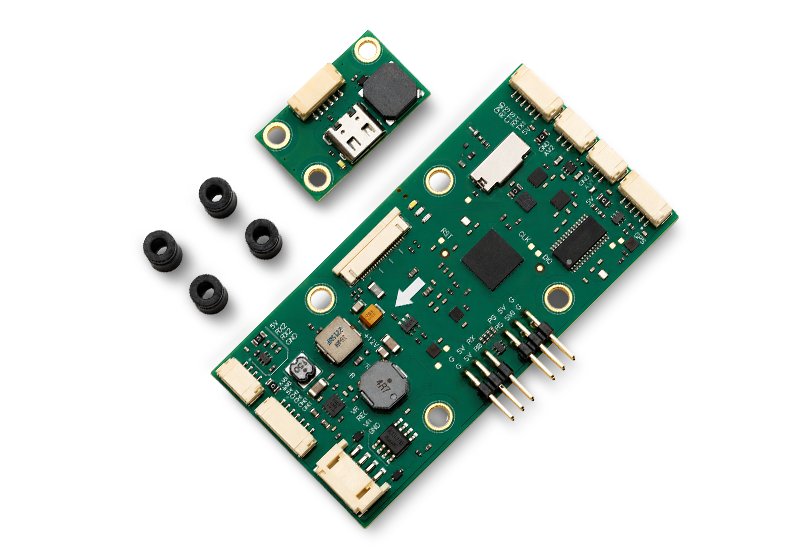
Picture a night launch with no moon and a jammed GPS band — the crew still needs eyes on target. That is exactly the gap ServoNode x4 was built to close. This is a clear, first-timer-friendly walkthrough of how to wire servos with a CAN node, using the AAD ServoNode x4 as the example hardware.
What you need
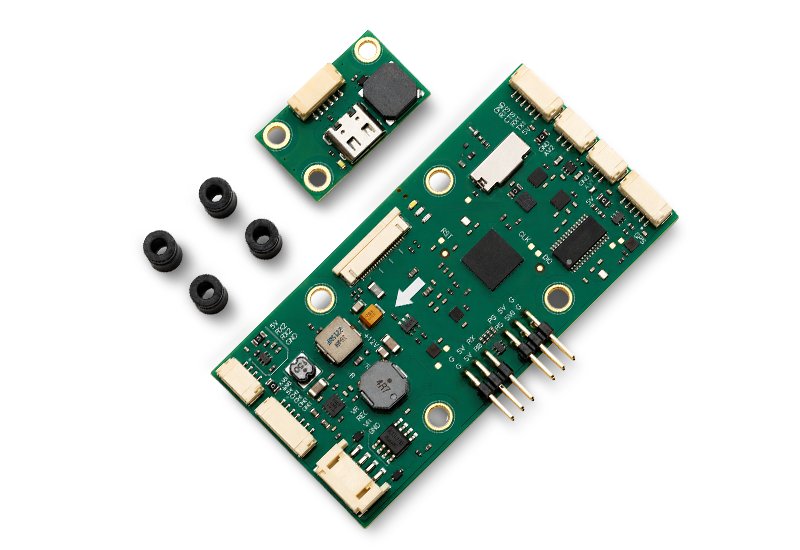
- The AAD ServoNode x4 (CAN servo/ESC node with 4 PWM, 1 ESC output and telemetry).
- Your AAD flight controller and power system.
- Basic tools and a laptop for configuration.
The steps
- Prepare and inspect. Unbox the ServoNode x4 and check it against the packing list. Confirm you have the right cables and that firmware is current.
- Mount it. Fix the ServoNode x4 to the frame in its intended position, keeping it clear of high-current wiring and props. A solid mount now prevents vibration and heading problems later.
- Connect it. Wire it to the AAD stack over the shared bus. Because it is one architecture, there are no adapter boards — match the labeled connector and go.
- Configure. Power up, open your ground station, and load the AAD settings for the ServoNode x4. Set the parameters for your airframe and save.
- Verify. Run a bench test before you fly. Confirm the ServoNode x4 reports correctly and behaves as expected. Success looks like clean, stable data with no errors.
Tips and common mistakes
- Do a bench test first: never troubleshoot in the air.
- Mind interference: keep sensors away from motors and power leads.
- Update firmware: most first-flight problems trace back to old firmware.
- Label as you go: it saves hours when you service the aircraft later.
How the AAD ServoNode x4 makes this easier
Because the ServoNode x4 is CAN servo/ESC node with 4 PWM, 1 ESC output and telemetry and built for the AAD stack, the hard part of this task — integration — is mostly done for you. That is the whole point of buying one US-made, NDAA-compliant system instead of assembling mismatched parts.
Frequently asked questions
Is ServoNode x4 NDAA compliant?
Yes. ServoNode x4 is designed and manufactured in the United States as part of the AAD stack, so it fits NDAA-compliant and secure-supply-chain procurement. That also means firmware and support come straight from ATN Aerospace & Defense.
What drone does ServoNode x4 fit?
ServoNode x4 is built to integrate across the AAD drone stack, so it works with AAD flight control, power and cameras out of the box. Because AAD controls the whole architecture, the parts share one communication bus instead of being bolted together from different vendors.
Does ServoNode x4 work in GPS-denied areas?
It is designed for contested environments. The AAD stack pairs vision-based navigation and anti-spoofing GNSS so the aircraft keeps flying when GPS is jammed or spoofed, rather than failing over to a hover or return-to-home.
Where can I buy ServoNode x4?
You can reach the ATN Aerospace & Defense team directly through https://atnaerospacedefense.com to check current lead times and request a quote. Buying direct keeps the supply chain transparent and the support line short.
How long does it take to wire servos with a CAN node?
Plan on an afternoon the first time and under an hour once you have done it. The AAD stack shortens it because the parts are designed to connect without adapters.
Do I need special tools to wire servos with a CAN node?
No — basic hand tools and a laptop for configuration. The ServoNode x4 ships ready to integrate with the rest of the AAD stack.
What to check before you buy
- Integration: confirm it drops onto your AAD flight controller and power system without adapter boards — the AAD stack shares one bus.
- NDAA compliance: ServoNode x4 is US-made and NDAA-compliant, which government and defense buyers must verify before procurement.
- Environmental rating: match the build to your operating environment — heat, dust, vibration and altitude all matter for how to wire servos with a CAN node.
- Support and lead time: buying direct from ATN Aerospace & Defense keeps firmware, spares and lead-time answers one call away.
How ServoNode x4 fits the AAD stack
The real advantage of ServoNode x4 is that it was designed alongside the rest of the AAD hardware, not adapted to it. The camera, the compute, the flight controller and the power system all speak one communication architecture, so an integrator spends time on the mission instead of on making mismatched parts cooperate. For how to wire servos with a CAN node, that means a shorter path from crate to first flight, and fewer of the intermittent faults that come from stitching vendors together.
Where to go next
If ServoNode x4 fits your mission, the fastest next step is to see the full specs and talk to an engineer. Head to the AAD drone components catalog or reach the team at atnaerospacedefense.com to compare options and confirm lead times.